THE CALL
Only the male says its name
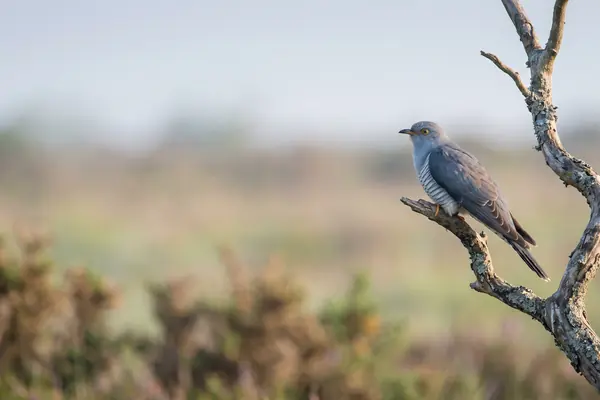
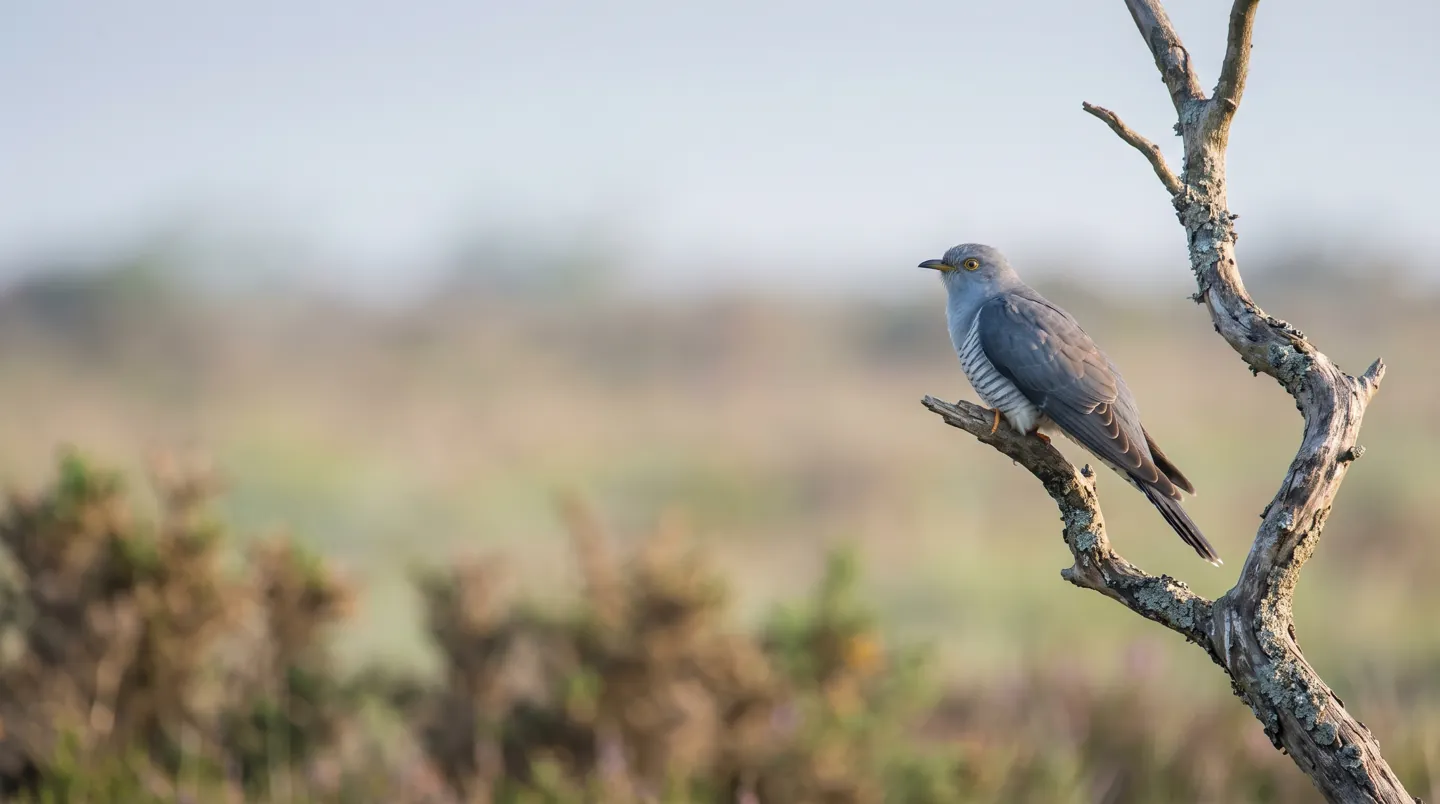
The RSPB says only male cuckoos make the familiar cuck-oo. Females make a more bubbling sound.
When to listen theccl
Start
AN INFORMATIONAL GUIDE: CUCKOO CALL LOG
The call of spring is a short visit.
Here CCL stands for cuckoo call log: this is an independent informational guide, not an organisation. It explains when cuckoos arrive and leave, who is calling, and what satellite tags revealed about where they go.
CUCK-OOthe males only
When to listenKeep in mind
THE SHORT ANSWER
Cuckoos arrive from mid-April.
Tagged adults are often leaving by June.
THE CALL
The RSPB says only male cuckoos make the familiar cuck-oo. Females make a more bubbling sound.
When to listenTHE HOSTS
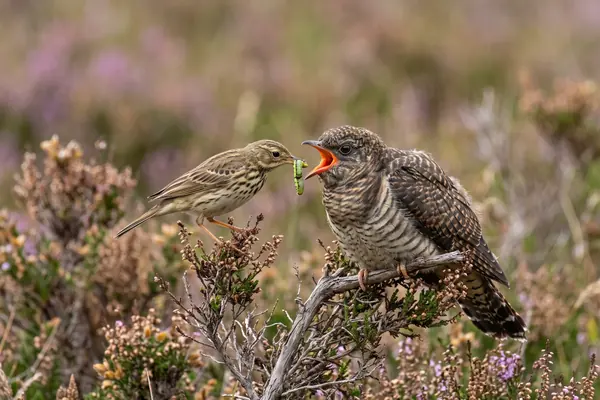
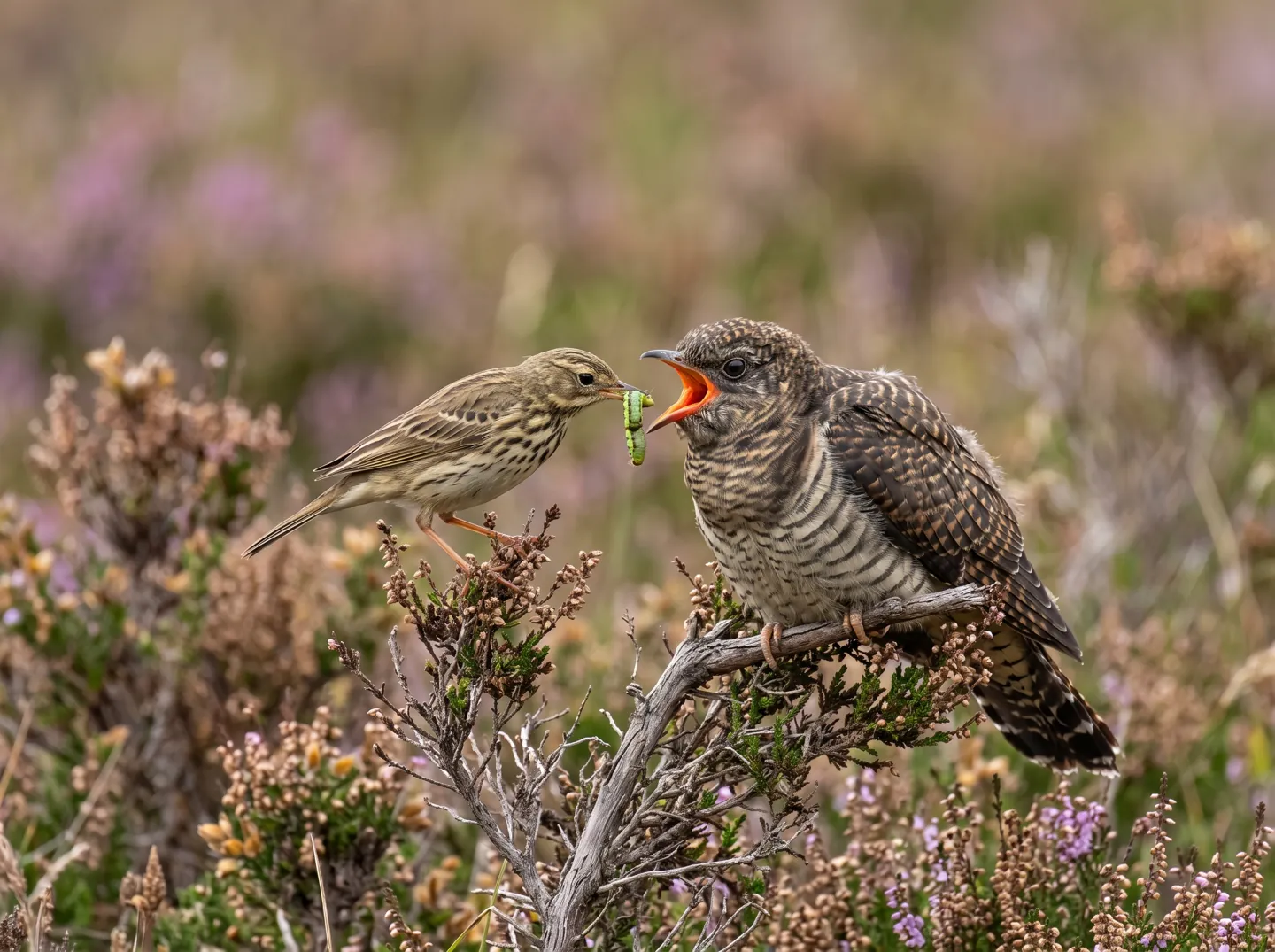
Cuckoos lay in other birds' nests. BTO names Reed Warbler, Meadow Pipit, Wren, Dunnock and Pied Wagtail as the main hosts.
Who raises themTHE JOURNEY
BTO tracking found British cuckoos winter in and around the Congo rainforest and spend only a small part of the year here.
See the numbersA QUICK SEASON CHECK
Pick a time of year to see how likely you are to hear a calling cuckoo in the UK. The bar shows how strongly the BTO and RSPB timings point to cuckoos being here.
Timings from BTO BirdFacts, BTO Cuckoo Tracking Project findings and the RSPB cuckoo guide. Local dates vary from year to year.
TWO NUMBERS WORTH KNOWING
One figure on how numbers have changed,
one on how little of the year a cuckoo spends here.
−33%
Change in UK cuckoos, 1995 to 2024
BTO BirdFacts gives a 33% decrease in the UK breeding population from 1995 to 2024. The cuckoo is red-listed as a UK Bird of Conservation Concern.
UK BREEDING TREND · BTO
15%
Share of the year one tagged male spent here
Chris, tagged in 2011, spent roughly 47% of his time in Africa, 38% on migration and just 15% in Britain, BTO says.
TIME IN BRITAIN · BTO
BTO says the decline is strongest in England, while Scotland has seen a moderate increase. Tracking suggests problems on the western migration route through Spain may have contributed.
FOUR WAYS TO KEEP A CUCKOO LOG
A first-cuckoo date is a small record, but records from many people help scientists follow when cuckoos arrive and where they still call.
Step 1
The male's two-note cuck-oo is easy; listen too for the female's bubbling call, which the RSPB describes.
Step 2
Note when and where you first hear one each spring, so you can compare years.
Step 3
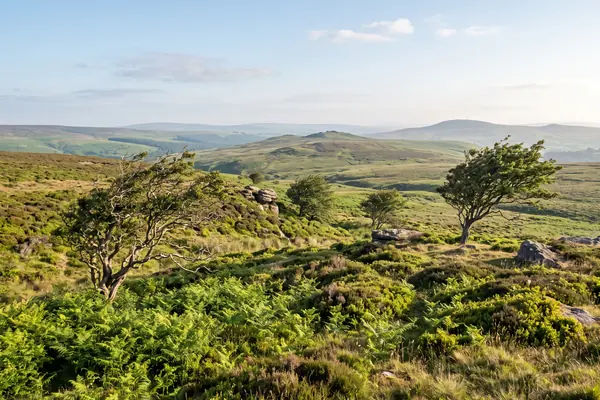
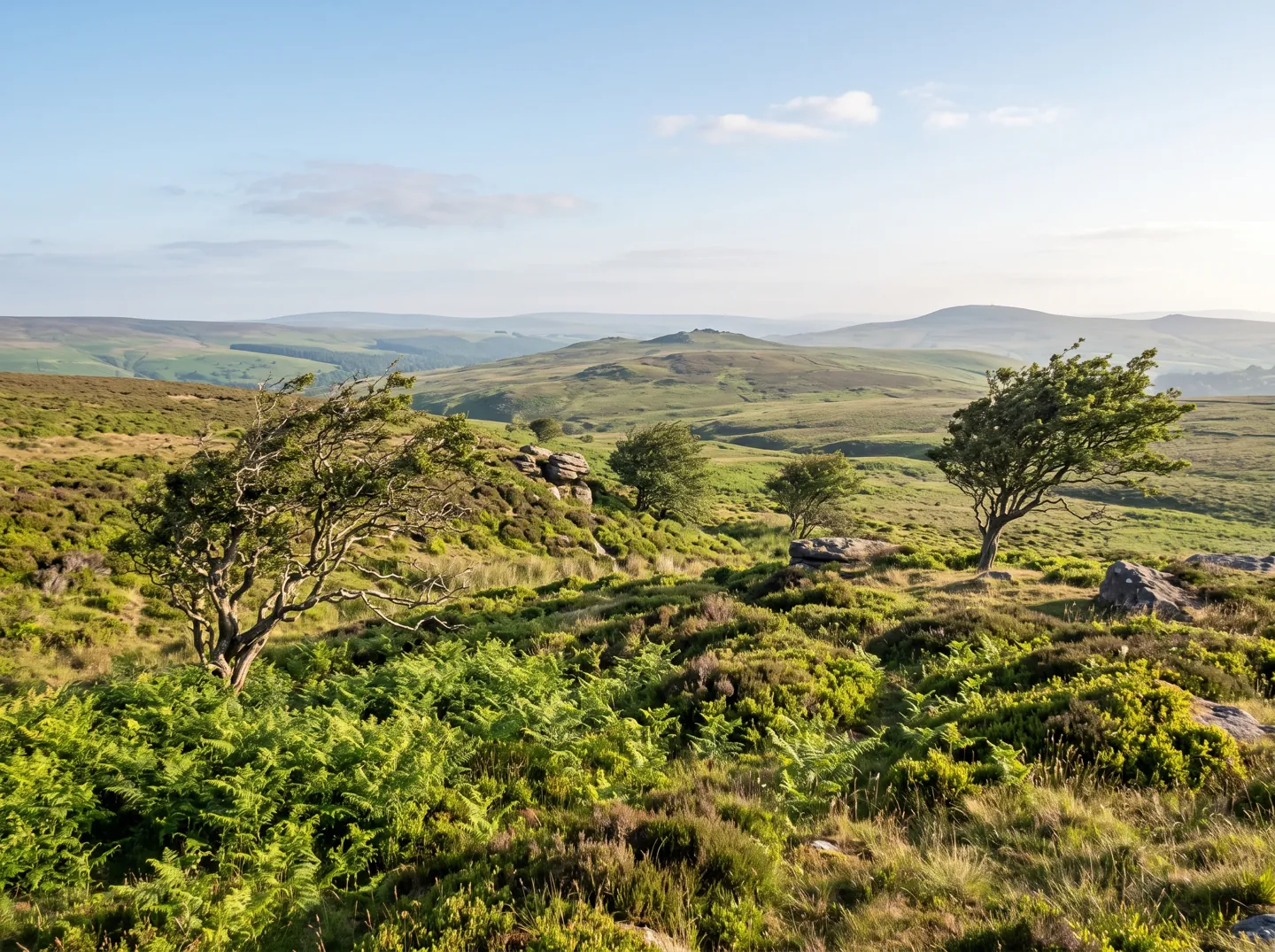
BTO lists Dartmoor, Exmoor, the New Forest and the Brecon Beacons among places with relatively high densities.
Step 4
BTO's free BirdTrack lets you log sightings. It asks you to be confident in an ID and not rely only on auto-ID apps.
BEFORE THE TAGS
Before 2011, BTO says, almost all it knew of British cuckoos in winter came from one ring: a chick ringed in a Pied Wagtail nest in Berkshire in 1929 was taken in Cameroon on 30 January 1930.
Satellite tags changed that. The first five cuckoos tagged in East Anglia in 2011 carried solar-charged tags costing around £3,000 each, and BTO has since tracked birds every year.
Questions
No. The RSPB says only males make the cuck-oo sound. Females make a more bubbling call.
BTO says cuckoos arrive from mid-April, with an average arrival date of 19 April. Males arrive towards the end of April or the beginning of May.
BTO tracking found they winter in and around the Congo rainforest in central Africa, in DRC, Congo or Gabon, and in similar habitat as far south as Angola.
BTO gives a 33% fall from 1995 to 2024. Tracking found birds using the western route through Spain were more likely to die before reaching sub-Saharan Africa, and other causes such as fewer moth caterpillars have been suggested.
The RSPB says a female lays between 12 and 22 eggs in a season, each in a different nest, often of the same species that reared her.
Destination
ABOUT THIS NAME
theccl.net is part of the DoodleSale portfolio. It isn't in an auction right now, but you can ask about leasing it.